Paint Brush: A Complete Guide to Choosing the Right Brush for Perfect Finishing
Published on March 03, 2026
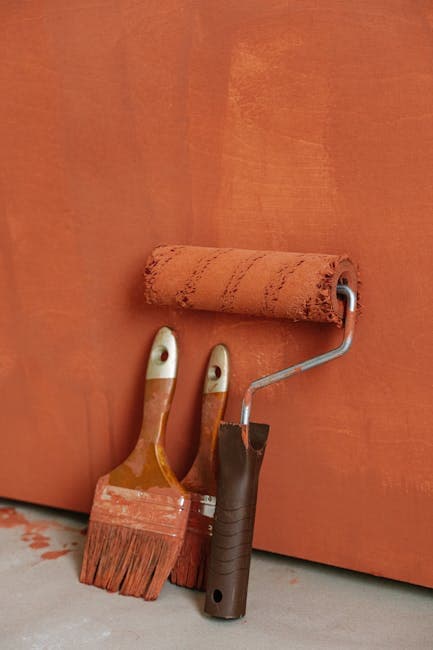
When it comes to achieving a smooth and professional paint finish, selecting the right paint brush is just as important as choosing the right paint. Whether you are repainting your home, working on furniture, or handling a commercial project, a high-quality paint brush gives you better control, cleaner edges, and long-lasting results.
Many people underestimate the importance of a good brush, but professionals know that the final finish depends heavily on the quality of tools used.
Why a Paint Brush Is Essential
A paint brush is one of the most versatile painting tools. While rollers are great for large surfaces, a paint brush is necessary for detailed and precision work.
A paint brush is commonly used for:
- Corners and edges
- Window and door frames
- Trims and moldings
- Cabinets and furniture
- Touch-up painting
- Decorative designs
Without a proper paint brush, it is difficult to achieve sharp lines and smooth detailing.
Types of Paint Brush
Choosing the correct paint brush depends on the type of paint and surface.
1. Synthetic Paint Brush
Synthetic bristles are ideal for water-based and latex paints. They provide smooth strokes and maintain shape even after multiple uses.
2. Natural Bristle Paint Brush
Natural bristle brushes work best with oil-based paints and varnishes. They hold more paint and deliver a smooth finish.
3. Angled Paint Brush
An angled paint brush is perfect for cutting-in and painting straight lines along edges.
4. Flat Paint Brush
A flat paint brush is suitable for covering broader surfaces with consistent strokes.
Selecting the right type of paint brush ensures better results and reduces paint wastage.
Features of a High-Quality Paint Brush
When buying a paint brush, look for these features:
- Firm and secure bristles
- Comfortable handle grip
- Even bristle alignment
- Durable ferrule (metal part holding bristles)
- Smooth paint flow
A well-made paint brush does not shed bristles during use and maintains its shape.
How to Use a Paint Brush Properly
Using the correct technique improves finishing quality:
- Dip only one-third of the paint brush into paint.
- Remove excess paint gently.
- Apply smooth, steady strokes.
- Avoid pressing too hard.
- Work in a consistent direction for uniform finish.
Good technique combined with a quality paint brush produces professional-looking results.
Common Mistakes to Avoid
Even with a good paint brush, mistakes can affect the outcome.
Avoid:
- Overloading the brush with paint
- Using the wrong brush type
- Painting on dirty surfaces
- Not preparing the surface properly
- Leaving brush uncleaned after use
Proper preparation and care are key to long-lasting results.
Cleaning and Maintaining Your Paint Brush
To extend the life of your paint brush:
- Clean immediately after use
- Use warm water for water-based paint
- Use appropriate solvent for oil-based paint
- Remove excess paint carefully
- Let the brush dry completely
- Store in a dry place
Well-maintained brushes can last for multiple projects.
Why Investing in a Good Paint Brush Matters
A high-quality paint brush provides:
- Better paint control
- Cleaner finishing
- Reduced rework
- Smooth coverage
- Professional appearance
While cheaper brushes may save money initially, they often cause uneven strokes and bristle shedding.
For serious painting projects, investing in a reliable paint brush is always worth it.
Final Thoughts
A paint brush remains one of the most important tools in any painting project. Whether you are a professional contractor or a DIY enthusiast, choosing the right brush ensures smoother application, sharper edges, and long-lasting durability.
Good tools make painting easier — and a quality paint brush makes all the difference.